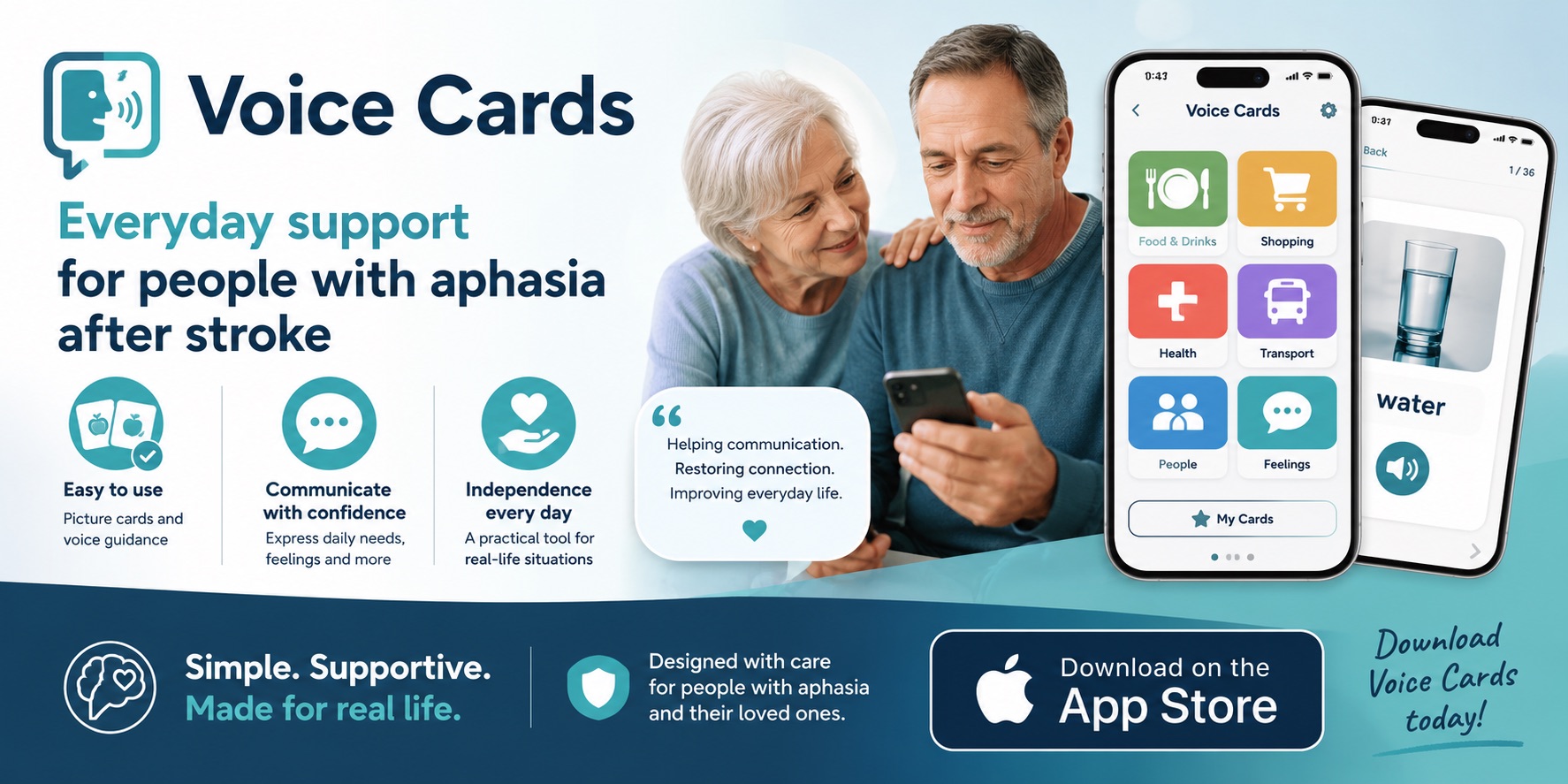
A DMV visit can combine several things that are difficult with aphasia: forms, unfamiliar questions, numbers, waiting, background noise, and time pressure. The most effective preparation is to reduce how much language has to be produced on the spot. Bring the required documents in a labeled folder, write down the purpose of your visit, carry an aphasia communication card, and ask staff to slow down or provide written information when needed.
DMV rules vary by state, so the exact documents, testing requirements, appointment systems, and medical-review procedures are not the same everywhere. The communication strategy, however, is broadly useful: prepare predictable information, separate communication difficulty from driving ability, and verify every important answer before you leave.
Start with the exact purpose of the visit
Write one line at the top of your notes: “Renew driver’s license,” “Replace lost ID,” “Change address,” or “Apply for a state ID.” This prevents a difficult conversation from drifting into the wrong service.
Before the appointment, check your own state DMV’s current document list. Put each document in the order you are likely to need it. Avoid relying on memory for document names, confirmation numbers, addresses, or dates.
Prepare a one-page communication sheet
Include your full name, address, date of birth, the reason for the visit, and a short aphasia statement. You can also list the communication methods that help you: “Please ask one question at a time,” “I read better than I speak,” “Give me time to write,” or “Please show me the choices.”
Keep the sheet focused. It should help staff communicate with you, not disclose more medical information than is necessary.
Forms: fill what you can before the counter
If your state offers downloadable or online forms, completing familiar fields at home can reduce pressure. Check names, dates, license numbers, addresses, and signatures carefully. Aphasia can make number transpositions and word substitutions easy to miss.
If you are unsure about a question, do not guess simply to finish faster. Mark it and ask staff to explain it in simpler language. A written either/or choice may be easier than an open-ended verbal explanation.
Vision checks, instructions and testing
A routine vision screening does not test language, but the instructions around it may be verbal. If you do not understand what you are being asked to read, cover, point to, or identify, say so before the test begins. Ask for the instruction to be repeated or demonstrated.
If your visit involves a knowledge, road, or medical review, requirements vary significantly by state. Aphasia itself is not a single measure of driving safety. If communication creates a barrier to understanding the procedure, ask the DMV what accessibility options are available for that specific test or service.
Bring support without giving away your voice
A family member or friend can help organize papers, remember the sequence of tasks, and reduce fatigue. Decide before the visit what you want them to do. For example: “Help me find documents, but let me answer first.”
If staff direct all questions to the companion, the person with aphasia can redirect the conversation with a card that says, “Please speak to me directly. My companion can help if I ask.”
Before leaving the DMV
Confirm what happens next. Ask for written information about temporary documents, mailing dates, additional tests, fees, or follow-up steps. Photograph or store any receipt or confirmation if that helps you keep track.
Do not rely on remembering a fast verbal summary at the end of a tiring visit. A two-minute written checklist can prevent a second trip.
Related guides
Frequently asked questions
Can someone with aphasia bring another person to the DMV?
Usually a support person can accompany you in public service settings, but local procedures and testing areas may have restrictions. Check your state DMV if you need the person present during a specific test.
Does aphasia automatically mean a person cannot drive?
No. Aphasia affects communication. Driving fitness is a separate question that depends on the individual and any other neurological, visual, cognitive, or physical effects.
What if I cannot understand a DMV employee’s question?
Do not guess. Ask for the question to be repeated, written down, simplified, or presented as clear choices.