A family does not need to abandon a familiar language because someone has aphasia. Start with the person’s preferences and the languages they need for everyday life. A speech-language pathologist should assess how each language is affected and help the family find useful ways to communicate in those languages.
Aphasia can affect speaking, understanding, reading and writing differently across languages. Being able to name an object in one language does not establish that every conversation will be easier in that language.
- Ask which language the person wants to use.
- Notice what works in a real conversation, not only a naming task.
- Use pictures, gestures and written choices alongside speech.
- Include important family languages in discussions with the therapy team.
Can aphasia affect two languages differently?
Yes. A person may have more difficulty in one language, or different strengths across tasks. Everyday use before aphasia, when each language was learned and current communication needs all matter. The first language learned is not automatically the strongest language after aphasia.
ASHA recommends gathering information across the languages a person uses. Assessment should consider both their earlier language experience and the languages needed to return to daily activities. A result from an English-only task cannot describe the whole communication life of someone who also uses Polish or Spanish.
This also means that fluent-sounding speech in one language should not be taken as proof of full understanding. Check the message, especially when a decision depends on it.
How should we choose a language at home?
Begin with a supported choice: “English or Polish?” Show the two written names if reading is helpful, or use familiar examples. Give time for the person to respond. If choices are unclear, discuss a more reliable method with the speech-language pathologist.
Then consider the situation. Someone might prefer Polish for a call with a sibling and English for talking about a workplace task. There is no need for every family interaction to follow one language rule.
For example, a daughter could say: “We can talk in Polish. If a word gets stuck, you can point or use English.” The aim is to keep the conversation available. It is not a test of whether someone can remain in one language.
Keep your usual adult tone. The Aphasia Institute’s supported-conversation approach emphasises recognising the adult’s competence and helping them show what they know. Familiar interests remain appropriate even when the way you discuss them needs to change.
What helps when the conversation gets stuck?
- Pause. Avoid adding several new questions while the person is responding.
- Keep one idea in view. Show a photograph, object or short written keyword.
- Offer another route. Drawing, pointing or a word in another language may carry the message.
- Confirm what you understood. Say or show your interpretation and give the person a way to correct it.
If a family member says the word for “station” in another language while discussing tomorrow’s trip, follow the meaning before correcting the language. A useful response might be: “The train station?” while showing its photograph. That keeps the focus on the destination.
For everyday topics, these conversation starters for someone with aphasia can help. When a nod or “yes” does not consistently match the person’s intended choice, use the strategies for confirming meaning when yes and no are unreliable.
Should we make bilingual communication cards?
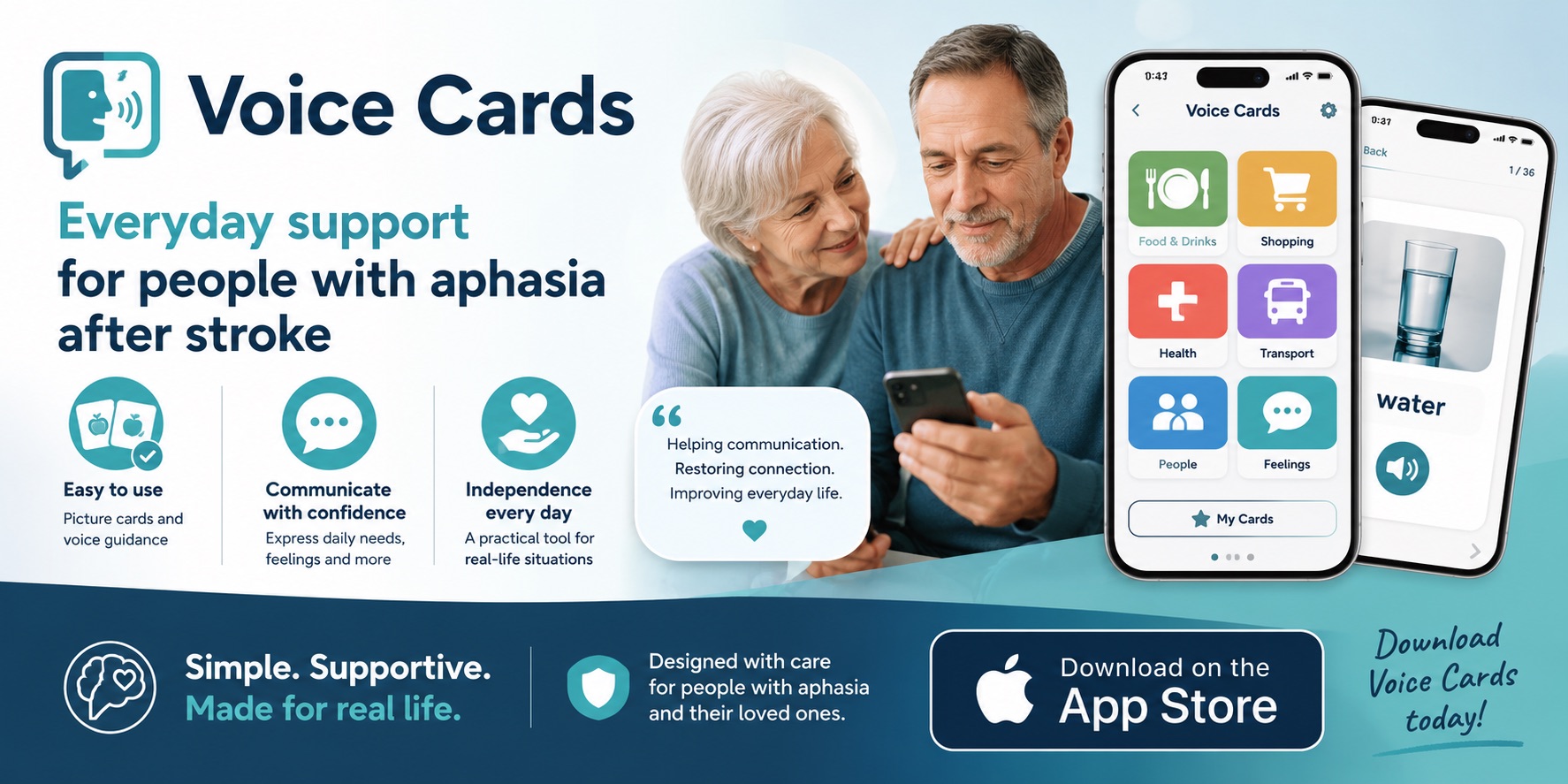
A small set may be useful, but two languages on every card can also create visual clutter. Try a few personally relevant items first: family names, places, drinks or a request for a break. Ask the person which version is easier to use.
| Situation | A support to try | What to observe |
|---|---|---|
| Choosing a drink | Two pictures with short labels | Can the person show their choice? |
| Calling relatives | Photos with names in the preferred script | Does the card identify the intended person? |
| Explaining a problem | A photo plus a few key words | Does it help communicate the actual problem? |
These are things to try with the person, not a standard worksheet everyone must complete. Keep helpful cards and remove ones that cause confusion.
What should we tell the speech-language pathologist?
Prepare a brief language history: who uses each language with the person, which languages they read and write, and which conversations they most want to regain. Bring examples of successful communication as well as difficult moments.
Ask how all relevant languages will be assessed and how an interpreter or a clinician who speaks those languages can be involved. Translated test materials are not automatically equivalent to a properly adapted assessment, so clinical interpretation matters.
A family member can explain routines and preferences. For important clinical discussions, ask for appropriate language support rather than assuming a relative should interpret every detail. Agree practical goals such as joining a family meal or sending a message to a friend.
What if the easier language changes during the day?
Record the context instead of immediately changing the whole plan. Was the room noisy? Was the topic unfamiliar? Had the person already had a demanding appointment? The discussion of fatigue and pacing with aphasia can help you organise shorter, more manageable conversations.
A simple note such as “better with photos after lunch” is more useful than “Polish failed today”. Bring recurring patterns to the therapy team.
Frequently asked questions
Should we speak only English because therapy is in English?
That should not be an automatic rule. Tell the clinician which other languages matter at home and ask how they can be included in assessment, support and meaningful goals.
Does switching languages mean the person is confused?
Not necessarily. Look at whether the switch helps communicate the intended message. An isolated switch is not enough to judge understanding or diagnose another condition.
Will practising one language restore both?
Improvement does not transfer predictably in the same way for everyone. Ask the clinician how progress will be checked in each relevant language.
Should we correct every wrong word?
During ordinary conversation, prioritise understanding. Agree with the person and clinician when correction is welcome and when it adds pressure without helping the exchange.