Travel with aphasia becomes easier when the most important information does not depend on spontaneous speech. A small travel communication kit can hold identification details, itinerary, hotel address, medication information, emergency contacts and a short explanation of how the person communicates best.
Build one travel communication kit
Keep essential information in one place that can be reached without searching through several apps. A slim folder, phone note or wallet card can contain the booking reference, flight or train number, hotel name and address, emergency contact and a simple statement that the traveller has aphasia.
The kit should not contain unnecessary private information. Include what is likely to help in a real interaction. If the person can read names but not long paragraphs, use large headings and short lines. If pictures are more useful, add icons for passport, baggage, taxi, hotel and medical help.
For more supported-communication strategies that can be adapted to travel, visit Aphasia Guide.
At the airport: separate each task
Airports are difficult because they combine unfamiliar vocabulary, time pressure, public announcements and security procedures. Treat check-in, bag drop, security, the gate and boarding as separate communication tasks. Before each stage, have the relevant document open and ready.
If the traveller needs assistance, arrange it in advance through the airline or airport rather than waiting until the terminal is crowded. Assistance can help with navigation and timing, but the person should still be addressed directly whenever possible.
At security, keep explanations short. If speech is slow, the communication card can state that the person has a language disorder and may need extra time to answer questions. That prevents a pause or word-finding difficulty from being mistaken for refusal to cooperate.
Hotel check-in: make the booking visible
A screenshot of the reservation with the guest name, dates and room type can remove most of the verbal load. If a deposit or card authorization is required, ask staff to show the amount before confirming it. Numbers, dates and room details are easier to verify when they are written down.
Before leaving reception, make sure the traveller can identify the room number, breakfast time and checkout time. A hotel business card or saved map pin is useful if the person later needs to show a taxi driver where to return.
Emergency information should be short and specific
An emergency card should state the person’s name, that they have aphasia, how they usually answer yes/no questions, one emergency contact and any essential health information the person has chosen to carry. Avoid filling the card with a full medical history that emergency staff cannot scan quickly.
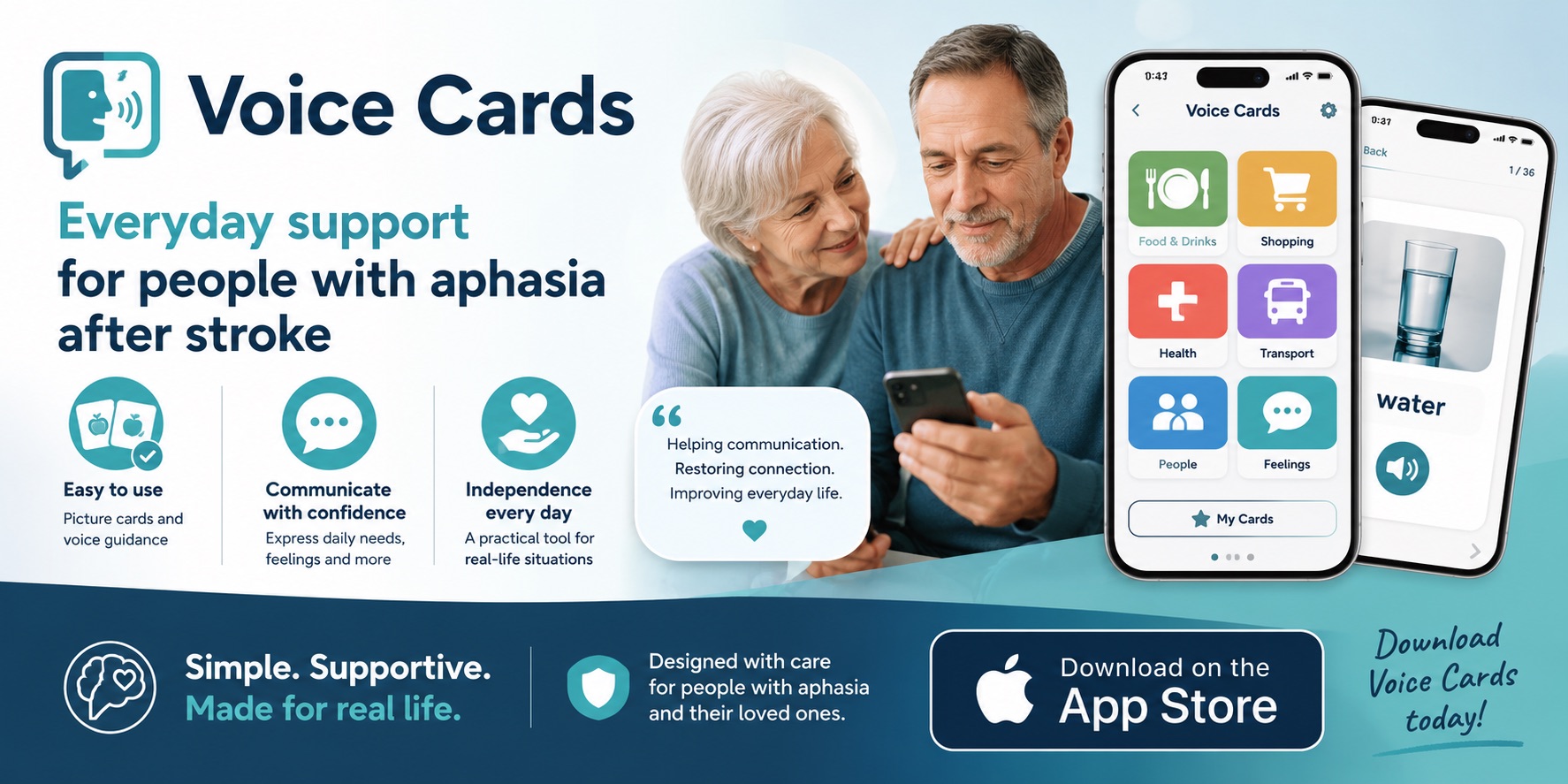
If the person uses a communication app, keep a low-tech backup. Phones run out of power, mobile data can fail and a damaged screen can make an app unavailable. A printed card and a written hotel address can still work.
| Keep visible | Keep secure |
|---|---|
| Name, aphasia statement, communication preference | Passport number copies and financial details |
| Emergency contact | Passwords and PINs |
| Hotel address | Full medical documents unless needed |
| Key itinerary details | Sensitive records unrelated to the trip |
Travelling with a companion without losing independence
A companion can monitor time, repeat an announcement, write down a gate change or help repair a difficult interaction. The most useful rule is to ask before taking over. “Do you want me to explain?” preserves choice better than automatically speaking for the traveller at every counter.
Agree on a simple signal for help before the trip. It can be a gesture, a word or showing the communication card. This avoids awkward negotiation when the person is already under pressure.
Pre-departure checklist
- Passport or ID and copies stored securely.
- Ticket or booking reference available offline.
- Hotel name, address and phone number written down.
- Emergency contact in the phone and on paper.
- Communication card in the wallet or passport holder.
- Medications packed in an accessible place with original labels.
- Chargers, power bank and any communication device.
- Assistance requested in advance if required.
- One printed copy of the first day’s itinerary.
The best travel plan does not try to eliminate every communication problem. It makes sure that when a word is hard to find, the information needed to continue the journey is still available in another form.
Frequently asked questions
Should an aphasia card include a diagnosis in detail?
Usually a short explanation is enough: that the person has aphasia and may need extra time or written choices. Add only information that is useful in an emergency or travel interaction.
Is it better to use a phone or paper card?
Use whichever the person handles most confidently, but paper is a valuable backup when batteries, networks or screens fail.
Can airport assistance be requested for communication difficulties?
Airports and airlines offer assistance for different access needs. Arrange the required support in advance and describe the practical help needed rather than relying only on a diagnosis label.