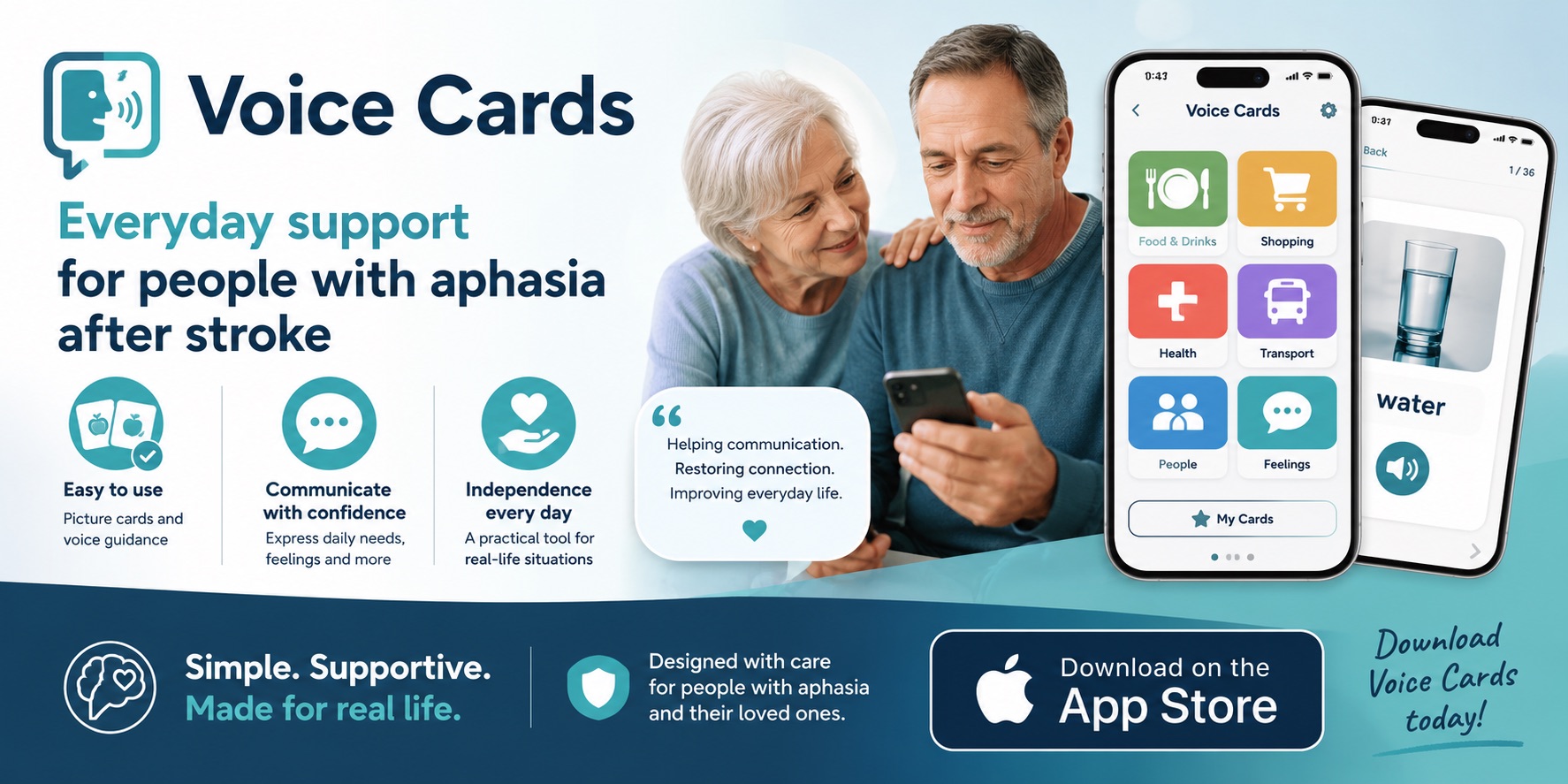
Eating out with aphasia can be easier when the communication work starts before the server reaches the table. Looking at the menu in advance, choosing one or two likely meals, keeping the order visible on a phone or piece of paper, and giving the person with aphasia time to communicate can reduce pressure without taking the decision away from them.
The goal is not to make every conversation perfect. It is to make the meal feel like a normal social experience in which the person with aphasia still gets to choose, order, ask, change their mind, and participate.
Before leaving home: remove avoidable pressure
Many restaurants publish menus online. Reviewing the menu earlier gives more time to read, compare choices and identify words that may be difficult to retrieve quickly. You can save a screenshot, write the name of a dish in Notes, or keep a short list such as “salmon — potatoes — water.”
The National Aphasia Association suggests previewing the menu, considering quieter times, and using written or picture supports when helpful. These are simple environmental changes: they do not speak for the person, but they make communication less dependent on speed.
Choose a backup option
A favorite dish may be unavailable. Having a second choice prevents the whole conversation from restarting under time pressure. The backup can be another full meal or just a category: “if no salmon, choose chicken.”
Save one communication sentence
Some people like a card or phone screen that says something such as: “I have aphasia. I know what I want to say. Please give me a little extra time.” Others prefer not to explain aphasia at all. Both choices are valid. The important point is that the person with aphasia controls whether and how the information is shared.
Make the menu easier to use
A long menu can turn one decision into dozens of reading and word-finding tasks. Instead of working from top to bottom, narrow the field.
- Start with a category: soup, fish, pasta, vegetarian, dessert.
- Point to the relevant section rather than reading every item aloud.
- Use pictures when the menu includes them.
- Circle or highlight two or three possibilities on a printed menu when appropriate.
- Keep the selected item visible so it does not have to be recalled from memory a few minutes later.
There is no requirement to order verbally. Pointing to the menu, showing a prepared note, typing a word, drawing, gesturing, or combining several methods are all communication.
At the moment of ordering: keep ownership with the person
When the server arrives, a natural instinct for a family member may be to jump in immediately. That can save a few seconds, but it can also remove the person with aphasia from their own interaction.
A better sequence is:
- Give the person with aphasia the first opportunity to order.
- Wait through pauses without finishing every sentence.
- If a word does not come, offer the menu or written choice.
- Ask before helping: “Want me to say it?”
- After the order, confirm the important details together if necessary.
The National Aphasia Association specifically advises care partners to give the person space to try first and step in only when clarification is needed.
Use confirmation for details that matter
If the conversation involves allergy information, ingredients, food preparation or another important detail, confirmation should be explicit. A yes/no check can be easier than repeating a long sentence. For example: “No onions — correct?” or “Still water?”
If swallowing is a concern, follow the person’s existing professional guidance rather than improvising changes from a general article. Aphasia affects language; swallowing difficulties are a separate issue and may require individualized advice.
What family and friends can do without taking over
Useful support is often quiet support. Sit where eye contact is easy. Keep the phone or written choices within reach. Reduce side conversations while the person is ordering. Give one question at a time.
Avoid turning the meal into a language test. The restaurant is not the place to insist on producing a particular word if pointing works. Successful communication is the goal.
If the server looks to the companion instead
Redirect naturally. Look toward the person with aphasia, leave a pause, or say, “They’ll order.” This small cue can restore the normal conversational direction without creating an awkward explanation.
What if the restaurant is loud?
Noise creates competition for attention and can make communication harder for almost anyone. A few practical choices can help:
- book an earlier lunch or dinner;
- choose a table away from speakers, the bar or the kitchen entrance;
- sit where faces are well lit;
- keep key words visible instead of relying only on listening;
- repeat one short piece of information at a time;
- move complicated questions to a quieter moment when possible.
For other everyday activities, Aphasia Guide also collects practical ideas on the Aphasia Guide home page.
A simple restaurant kit
- phone with the menu or a screenshot;
- one written communication sentence, if wanted;
- the chosen dish and backup choice;
- pen and small card or notepad;
- payment card or preferred payment method kept easy to reach.
That is enough. The aim is not to carry a complicated communication system everywhere. It is to have a few tools available when speech, reading or word retrieval becomes harder under time pressure.
FAQ
Should a family member order for a person with aphasia?
Only when that is what the person wants or when help is genuinely needed. Give the person the first chance to communicate and ask before taking over.
Is writing the order “cheating”?
No. Communication is not limited to speech. Pointing, writing, pictures, gestures and phone notes can all help a person express a choice.
What if the server does not understand?
Slow the interaction down and switch channels: point to the menu, show the written order, use a yes/no confirmation, or ask a companion to clarify after the person has had a chance to try.
Does this article replace speech-language therapy advice?
No. This is general, non-medical information about an everyday activity. Individual communication or swallowing needs should be discussed with qualified professionals who know the person.
Source