A museum visit should be about curiosity, not a test of how quickly someone can read, answer a question or find the right word. Aphasia can make ticket counters, exhibit labels and fast-moving guided tours harder to navigate, even when a person knows exactly what they want to see. With a little planning, someone with aphasia can enjoy a museum or art gallery as an independent visitor, a friend or a family member—not merely as someone being accompanied.
Can a person with aphasia enjoy a museum?
Yes. Aphasia affects language processing and expression, not a person’s basic intelligence or entitlement to take part in public life. Some visitors understand pictures more readily than spoken commentary. Others prefer short written explanations, familiar names, extra response time or an opportunity to revisit a room quietly. There is no single museum strategy that works for everyone.
Before choosing an exhibition, ask what the visitor actually enjoys: paintings, local history, textiles, science demonstrations or simply spending time together. The best plan starts with that preference rather than with a therapy objective.
Before you leave: reduce the number of decisions at the entrance
- Open the museum website together. Use photographs of rooms, exhibits or a floor plan to select two or three priorities.
- Check ticket requirements, timed entry, accessible entrances, seating, toilets and whether re-entry is permitted.
- Save the museum name, ticket barcode and address on a phone. A printed copy is useful if the phone battery fails.
- Prepare a short card such as: “I have aphasia. Please speak slowly, use short sentences and give me time to respond.”
- Agree on a simple signal for “I need a break” or “I want to leave this room.”
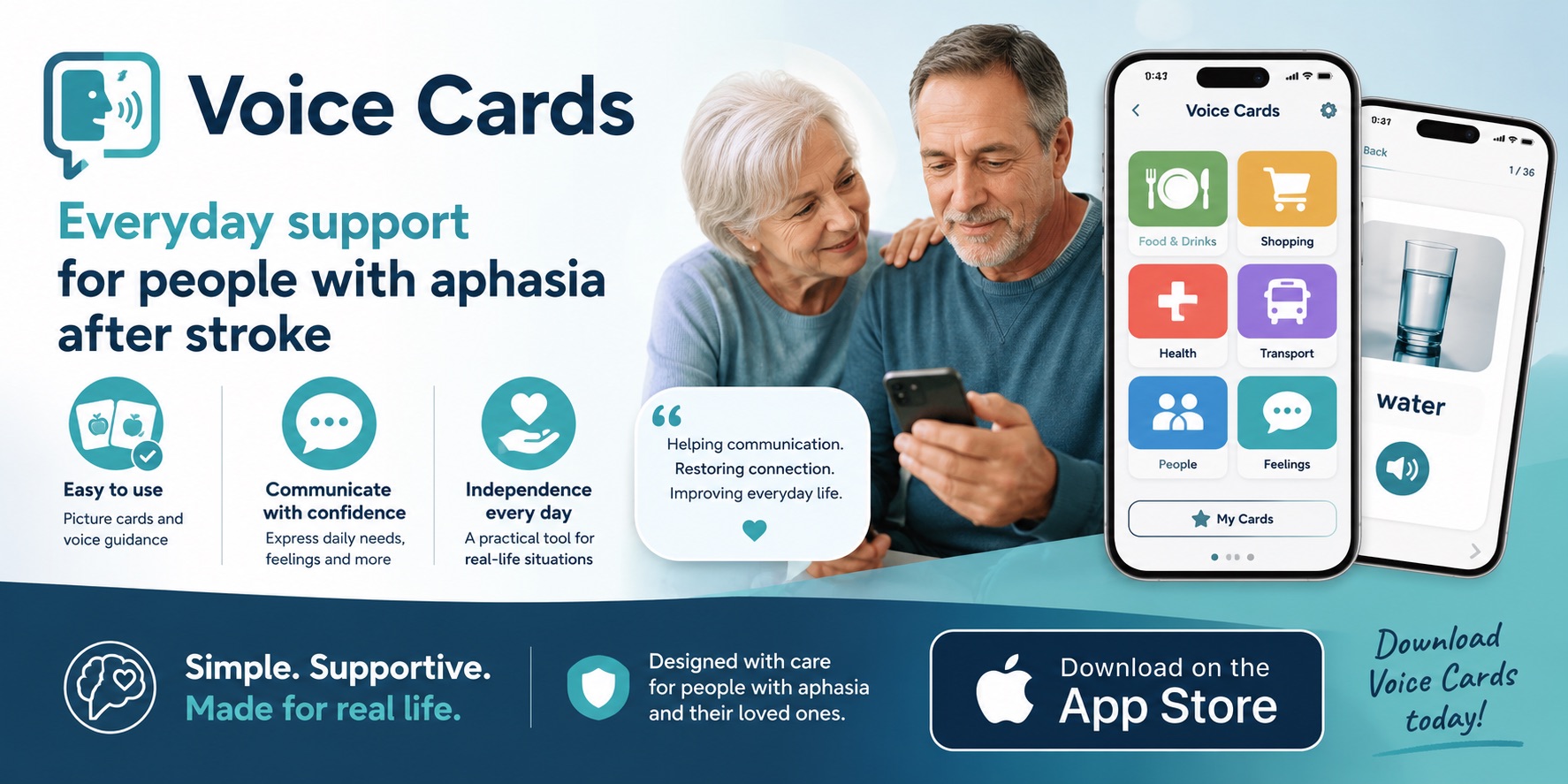
A familiar picture or phrase can be more useful than a long explanation. Families who already use a communication board or book can include pictures for ticket, toilet, bench, map, café and exit.
At the ticket desk: let the visitor take the lead
Questions such as “Senior or adult ticket?”, “Do you want an audio guide?” and “Would you like a membership?” can arrive too quickly. Ask the staff member to offer one question at a time, point to the relevant options or write a price down. If the person with aphasia wishes to pay or answer, allow enough time for them to do so.
A companion should not automatically speak for the visitor. A more respectful approach is to ask: “Would you like me to explain, or would you like to show them your ticket?” When a response is unclear, offer two visible choices rather than repeating the same question more loudly.
Reading exhibit labels without turning the visit into homework
Museum labels may contain dates, names, technical vocabulary and long sentences. Reading every word is not necessary to appreciate an object. Choose one detail at a time: who made it, what it was used for, or why it matters. Pointing to the object while speaking often helps connect the explanation to something visible.
If reading is tiring, ask whether the museum offers a large-print guide, simplified overview, object photographs or information online that can be reviewed later. Techniques used to make written information more aphasia-friendly—clear headings, shorter blocks and meaningful images—also work when reviewing an exhibition booklet.
Guided tours, audio guides and interactive exhibits
A live tour may be enjoyable but difficult to follow if the group moves before someone has processed the last point. Contact the museum beforehand to ask whether the guide can pause, allow questions in writing or provide a short overview of the route. A self-guided visit might be a better choice on an especially tiring day.
Audio guides give visitors control over playback but may still overwhelm if the narration is dense. Test the pause and replay controls before entering a gallery. For interactive screens, take time to identify back, next and exit buttons. If the visitor does not want to interact with an exhibit, that preference should be respected.
Communication access in US museums
In the United States, the Americans with Disabilities Act establishes effective-communication obligations for covered public entities and public accommodations. The appropriate aid depends on the person and the context; an accessible solution for a brief ticket purchase may differ from one for a lengthy educational programme. Asking ahead can help the museum understand which communication method will be effective. Do not assume that a disability card or a particular diagnosis is the only way to discuss access needs.
Practical requests can be specific: “May I receive the tour outline in writing?” “Could staff point to the ticket choices?” “Is there a quiet area where we can take a break?” This describes what would help without requiring the visitor to share an entire medical history.
After the visit: keep the experience, not just the vocabulary
Choose a favourite exhibit together by pointing to photos or the museum map. Someone who communicates with short phrases might describe an object by colour, gesture or expression rather than by its formal name. In group conversations with aphasia, one speaker at a time and a few shared pictures can help the visitor tell family members what they enjoyed.
Success is not the number of labels read or words spoken. It is whether the visitor had choices, understood enough to participate and felt welcome. A shorter visit in which the person makes meaningful decisions is often more satisfying than an ambitious itinerary controlled by somebody else.
Sources
- US Department of Justice – ADA effective communication requirements
- National Aphasia Association – Aphasia FAQs