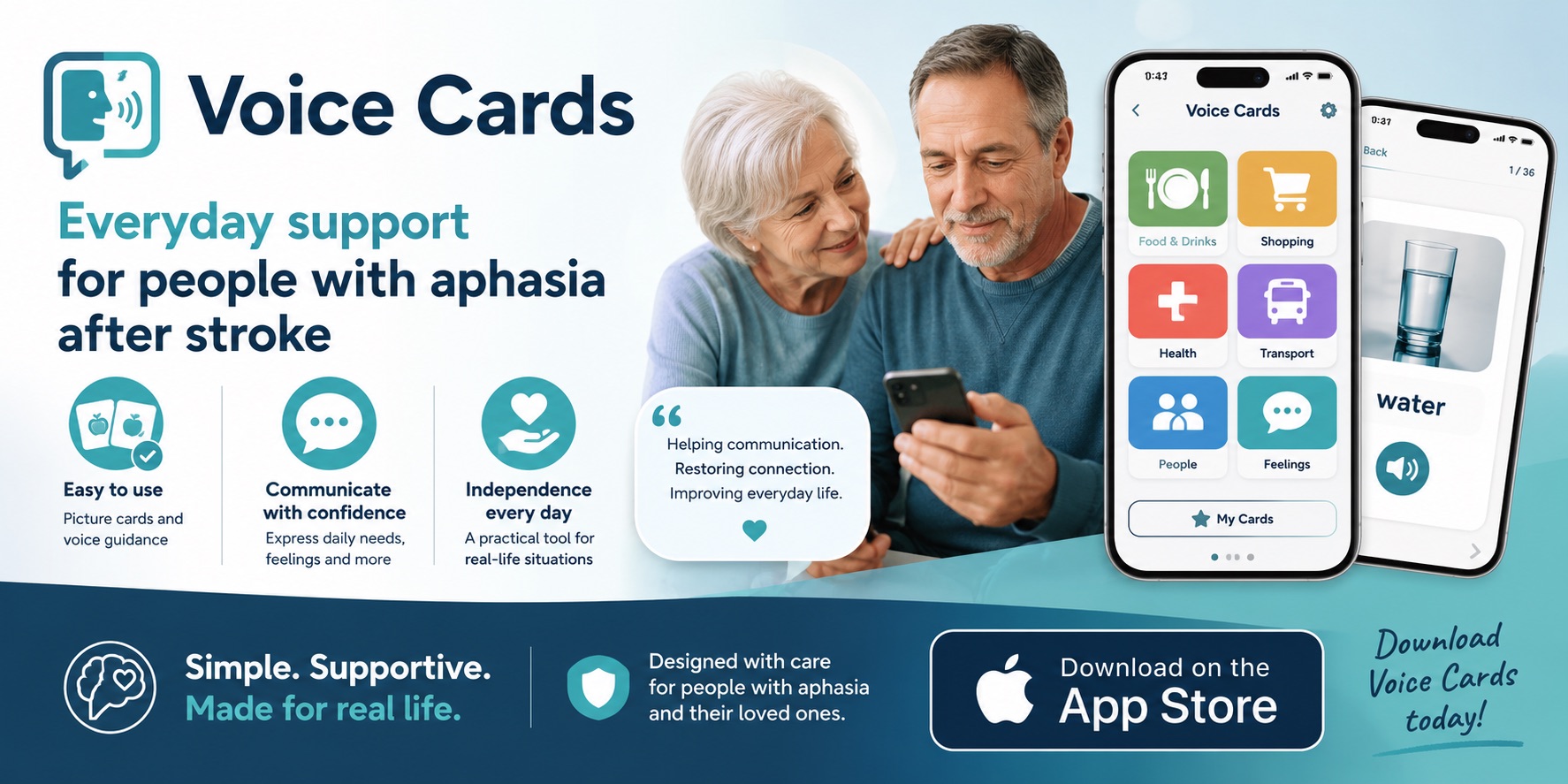
Aphasia Awareness Month takes place every June in the United States. It is a time to increase public understanding of aphasia, improve communication access and make the experiences and voices of people with aphasia more visible.
You do not need to organize a large campaign to take part. A respectful conversation, an accessible library display, a workplace communication guide, a local proclamation or a social media post created with the consent of a person with aphasia can all contribute.
This guide focuses on awareness, inclusion and community participation. It is not a medical guide and does not provide diagnosis, treatment or individualized health advice.
Last reviewed: . Annual themes, campaign materials and event details may change.
When is Aphasia Awareness Month?
National Aphasia Awareness Month is observed throughout June in the United States. It begins on June 1 and continues through June 30 each year.
The month is not limited to one national event or one organization. Activities may be organized by people with aphasia, families, nonprofit organizations, community aphasia groups, libraries, universities, employers and local governments.
In 2012, the United States Senate agreed to a resolution designating June 2012 as National Aphasia Awareness Month and encouraging appropriate events and activities. The resolution is available through Congress.gov. Current annual campaigns and community activities are coordinated separately and should be checked each year.
Is Aphasia Awareness Month only for people in the United States?
This article focuses on the US observance and US resources. People and organizations in other countries also hold aphasia awareness events, but their dates, campaign names and organizing bodies may differ. Use the current information from the relevant national organization rather than assuming every campaign follows the US calendar.
What is Aphasia Awareness Month about?
The purpose is to help more people understand what aphasia is and how communication can be made more accessible. Awareness should not stop at recognizing a word. It should improve the way people listen, include, write, design information and make space for different forms of communication.
In simple terms, aphasia affects language and communication. It may affect speaking, understanding, reading or writing, but it does not automatically tell you what a person thinks, understands about the world or wants to contribute. For a clear introductory explanation, read Aphasia Meaning: What Aphasia Means and How It Affects Communication.
The American Stroke Association’s Aphasia: Be in the Know resource reports that only 40% of people in the United States have heard of aphasia and can correctly identify it as a language disorder affecting communication. That gap helps explain why an awareness month remains useful.
Awareness is more than sharing statistics
Statistics can introduce a topic, but respectful awareness should also show real life, communication access and individual experience. A useful campaign may help people learn that:
- aphasia can affect communication in different ways,
- difficulty speaking is not the same as having nothing to say,
- a person may communicate through speech, writing, gesture, drawing, pictures or technology,
- extra time and a clear conversation environment can improve participation,
- people with aphasia should be addressed directly and included in decisions,
- every person has their own communication preferences.
The 2026 US Aphasia Awareness Month campaign
For 2026, the National Aphasia Association announced the theme “United for Aphasia Awareness.” The campaign included a national proclamation project, community participation and a month-long Speech Bubble Tour.
The proclamation initiative invited advocates to request official recognition of June as National Aphasia Awareness Month from state, city and county leaders. The NAA provided guidance, templates and follow-up resources through its campaign materials. You can review the 2026 Aphasia Awareness Month campaign and the 2026 proclamation project.
What respectful aphasia awareness looks like
Respectful awareness is created with people with aphasia, not simply about them. It protects privacy, avoids assumptions and makes participation accessible.
Ask before sharing someone’s story
A diagnosis, photograph, video or personal communication experience belongs to the person. Obtain clear permission before posting it. Agree on:
- which details may be shared,
- where the content will appear,
- whether the person’s name and image will be used,
- whether comments will be allowed,
- how long the content will remain online,
- whether the person can review the final version first.
Consent should not be assumed because a relative, employer or organization wants to raise awareness.
Let people describe their own experience
There is no single aphasia story. Avoid presenting one person as representative of everyone. When possible, quote the person’s own words or support them in creating a message using writing, recorded speech, gesture, pictures or another preferred method.
Make the campaign itself accessible
Awareness content should demonstrate the inclusion it promotes. Use:
- short paragraphs and clear headings,
- plain language,
- large, readable text,
- good contrast,
- captions for video,
- alt text for meaningful images,
- limited visual clutter,
- one clear action per poster or slide,
- enough time for questions and responses.
Our practical guide to making written information aphasia-friendly can help with posters, handouts, web pages and event instructions.
15 respectful ways to take part in Aphasia Awareness Month
1. Learn a clear definition
Begin with a short, accurate explanation. Do not try to summarize every type, cause or communication pattern in one sentence. Link to a fuller source for readers who want more information.
2. Ask a person with aphasia what awareness should include
Ask which misunderstandings they want corrected, which communication barriers matter most and whether they want to participate publicly or privately.
3. Share one practical communication change
Teach friends or coworkers to allow time, speak one at a time, reduce background noise or use written keywords when helpful. Avoid presenting general tips as rules that suit every person.
4. Add aphasia-friendly communication guidance to a workplace
A business, public office or nonprofit can create a short guide for front-desk staff, customer service teams and event volunteers. Include a reminder to address the person directly rather than speaking only to a companion.
5. Create an accessible library display
Feature books, memoirs, communication resources and information from established aphasia organizations. Use large headings, simple descriptions and a QR code with a written URL beside it.
6. Invite a speaker—and pay them when appropriate
If a person with aphasia is invited to share experience, ask what format supports them. A recorded message, interview, prepared slides or a conversation with a trusted partner may be preferable to an unstructured speech.
7. Host an accessible conversation event
Arrange a calm space where people speak one at a time and participants can use writing, pictures or gesture. Our guide to including a person with aphasia in group conversations provides a detailed checklist.
8. Highlight a local or online support group
With the organizer’s permission, share information about a current community program. Readers can also use our US guide to finding aphasia support groups online and near them.
9. Request a city, county or state proclamation
Use the current National Aphasia Association toolkit rather than writing from an old template. Proclamation procedures vary by location and may require several weeks of notice.
10. Share an aphasia ID card resource
An awareness post can explain how a card communicates basic information and personal communication preferences. Read what an aphasia ID card is and how it may be used.
11. Review the accessibility of a community event
Check registration forms, signs, agendas, microphones, seating, noise, lighting and response time. Awareness becomes practical when a person can participate more easily.
12. Create a social media series
Publish several focused posts instead of one crowded graphic. Possible topics include a plain-language definition, respectful conversation, personal communication preferences, community resources and ways to include someone in a group.
13. Use pictures and communication tools respectfully
Demonstrate that communication can include more than speech. Link to a guide about communication boards, picture cards and everyday communication support without implying that one tool works for everyone.
14. Support a trusted aphasia organization
Volunteer, attend an event, share verified resources or donate if you choose. Confirm the organization, destination of funds and current campaign before promoting a fundraiser.
15. Continue one action after June
Choose something sustainable: keep the communication guide available, improve event materials, maintain a library resource list or continue including people with aphasia in community planning.
Aphasia Awareness Month ideas for organizations and workplaces
An employer or organization should connect awareness with a real change in communication access. A logo color change without accessible practices has limited value.
Useful actions include:
- publishing a short plain-language article on the staff intranet,
- training reception and customer service staff to allow extra response time,
- reviewing whether public forms and instructions are easy to understand,
- adding captions and transcripts to important videos,
- providing paper and a pen at service desks,
- avoiding policies that require every request to be made by telephone,
- including people with aphasia when reviewing accessibility,
- sharing local and national aphasia resources,
- inviting a community partner for an accessible question-and-answer session.
A simple workplace awareness plan
- Choose one audience: staff, customers, managers or event volunteers.
- Choose one misunderstanding to correct: for example, communication difficulty should not be treated as a lack of intelligence.
- Choose one practical change: add written options, allow more time or create a quieter service point.
- Ask people with relevant lived experience to review the message.
- Publish the resource in an accessible format.
- Keep the practical change after June.
Aphasia awareness ideas for libraries and community groups
Libraries and community centers can reach people who may never encounter a clinical or professional resource. An effective display can include:
- a large headline explaining that June is Aphasia Awareness Month,
- a short definition in plain language,
- books or personal stories selected with clear descriptions,
- information about local or online groups,
- a printed communication tips card,
- event details in large, readable text,
- a quiet conversation event or accessible book discussion.
Do not fill the display with dense medical diagrams or long text copied from another website. The goal is to help people understand, not overwhelm them.
How to create accessible Aphasia Awareness Month posts
Social media can spread a message quickly, but images without alt text, videos without captions and graphics full of small text exclude many readers.
Accessibility checklist
- Put the main message in the post text, not only inside an image.
- Add useful alt text to meaningful images.
- Caption spoken video and check the captions manually.
- Use high contrast and a readable font size.
- Limit each graphic to one main idea.
- Avoid unexplained abbreviations.
- Use sentence case instead of long passages in capital letters.
- Ask permission before naming or showing a person.
Sample awareness posts
June is Aphasia Awareness Month. Aphasia affects language and communication, not a person’s value, personality or right to be included. Speak one at a time, allow time and ask what communication support helps.
Communication is more than speech. Writing, gesture, pictures, drawing and technology can all support a conversation. This June, ask people with aphasia how they prefer to communicate.
Aphasia awareness should lead to access. We are reviewing our event information, captions and conversation practices so more people can participate.
Common descriptive hashtags include #AphasiaAwareness and #AphasiaAwarenessMonth. Check the current National Aphasia Association campaign before adding a year-specific slogan or campaign hashtag.
How to request an Aphasia Awareness Month proclamation
A proclamation is an official statement recognizing a period, issue or community effort. The process varies among governors, mayors, county executives and councils.
- Check the current NAA campaign. Use the latest proclamation toolkit and templates.
- Identify the correct office. Look for a proclamation, ceremonial document or constituent services page on the official government website.
- Review the deadline. Some offices require requests several weeks before June.
- Follow the local form. Provide only the information requested and adapt the text to the jurisdiction.
- Include a local connection. Explain who is requesting recognition and how aphasia affects people in the community without sharing private information.
- Keep a copy of the submission. Record the date and contact details.
- Follow up respectfully. Use the office’s stated process and timeline.
- Share the result with permission. If recognition is issued, ask how the document may be reproduced and submit it to the current NAA recognition project when appropriate.
The 2026 NAA campaign page explains how the national proclamation initiative was organized. Use it as historical context and replace it with the next official campaign page when new materials are released.
What to say during Aphasia Awareness Month
A short awareness message should be accurate, respectful and easy to understand.
A plain-language example
Aphasia affects language and communication. A person may have difficulty speaking, understanding, reading or writing. Communication may take more time or use different tools. Speak to the person directly and ask what helps.
When introducing someone with aphasia
Do not disclose aphasia without permission. If the person wants help explaining it, agree on the words in advance. An example might be:
Jordan has aphasia. Communication may take more time, and writing or pictures may help. Please speak one at a time and give Jordan time to respond.
For more everyday language examples, see what to say to someone with aphasia.
What to avoid in an awareness campaign
- Do not diagnose a public figure or stranger. Use only publicly confirmed information and reliable sources.
- Do not share a private story without permission.
- Do not speak about a person as if they are not present.
- Do not equate slow or limited speech with limited intelligence.
- Do not use childish images or language for adults.
- Do not promise recovery or promote unverified products.
- Do not make a person perform communication for an audience.
- Do not publish inaccessible awareness materials.
- Do not copy an old annual theme and present it as current.
- Do not let the campaign end without one practical accessibility improvement.
What color represents Aphasia Awareness Month?
There is not one universally established aphasia awareness ribbon color identified on the National Aphasia Association’s current Awareness Month overview. Campaign graphics may use colors connected with a particular organization, annual theme or event.
If you are creating a poster, ribbon or social graphic:
- use the current official campaign materials when representing that campaign,
- follow the organization’s published brand guidance,
- do not call a color “the official aphasia color” unless the responsible organization clearly says so,
- prioritize readable contrast over symbolic color,
- include the words “Aphasia Awareness Month” so the meaning does not depend on color alone.
This approach prevents conflicting ribbon charts and commercial product pages from becoming the source of an unsupported “official” claim.
Aphasia awareness should continue after June
June creates a useful focus, but communication barriers do not disappear on July 1. Keep one or more changes active throughout the year:
- retain the accessible communication guide,
- keep captions and alt text in the publishing workflow,
- continue inviting people with aphasia into planning and review,
- maintain links to current community resources,
- make public events easier to navigate,
- review service desks and forms for communication access,
- support local groups and awareness activities outside June.
The National Aphasia Association’s recap of the 2026 Speech Bubble Tour also emphasizes continuing the conversation beyond June.
Aphasia Awareness Month planning checklist
- □ The activity has a clear audience and purpose.
- □ People with aphasia are included in planning or review.
- □ Permission has been obtained for every personal story, name, image and video.
- □ The wording is plain, respectful and accurate.
- □ The content does not diagnose, recommend treatment or promise outcomes.
- □ Images have alt text and videos have checked captions.
- □ Text is readable and high contrast.
- □ Annual themes and links are current.
- □ External organizations and fundraisers have been verified.
- □ At least one accessibility improvement will remain after June.
Frequently asked questions
When is Aphasia Awareness Month?
Aphasia Awareness Month is observed from June 1 through June 30 each year in the United States.
Is June National Aphasia Awareness Month?
Yes. US organizations and communities observe June as National Aphasia Awareness Month. Annual themes, events and official recognition may change from year to year.
What is the purpose of Aphasia Awareness Month?
Its purpose is to increase understanding of aphasia, reduce communication barriers and support the inclusion and voices of people with aphasia.
What was the US theme for Aphasia Awareness Month 2026?
The National Aphasia Association announced “United for Aphasia Awareness” as its 2026 theme. The campaign included a proclamation project and nationwide community activities.
What color is used for aphasia awareness?
The current National Aphasia Association Awareness Month overview does not identify one universal official aphasia ribbon color. Use current campaign materials and do not describe a color as official without confirmation from the organization responsible for the campaign.
How can I take part without sharing medical information?
Share communication access tips, improve captions or written information, promote verified community resources, host an accessible event or support a proclamation. Personal medical details are not necessary.
How can a workplace observe Aphasia Awareness Month?
A workplace can train public-facing staff, improve forms and captions, publish a plain-language communication guide and invite people with aphasia to review accessibility.
How can a library participate?
A library can create an accessible display, feature relevant books and community resources, host a quiet conversation event and provide information in clear, readable formats.
Which hashtags can I use?
Common descriptive hashtags include #AphasiaAwareness and #AphasiaAwarenessMonth. Check the current National Aphasia Association campaign before using a year-specific slogan or campaign tag.
Does aphasia awareness end after June?
No. June provides a shared focus, but accessible communication and inclusion should continue throughout the year.
US sources and annual campaign pages
- National Aphasia Association: Aphasia Awareness Month
- National Aphasia Association: Aphasia Awareness Month 2026
- National Aphasia Association: 2026 Proclamations
- National Aphasia Association: 2026 Speech Bubble Tour
- American Stroke Association: Aphasia—Be in the Know
- Congress.gov: Senate Resolution 503, 2012
This article provides general educational and community information. It does not provide diagnosis, treatment or personalized medical advice. Annual campaign details can change, so confirm current information with the National Aphasia Association.